
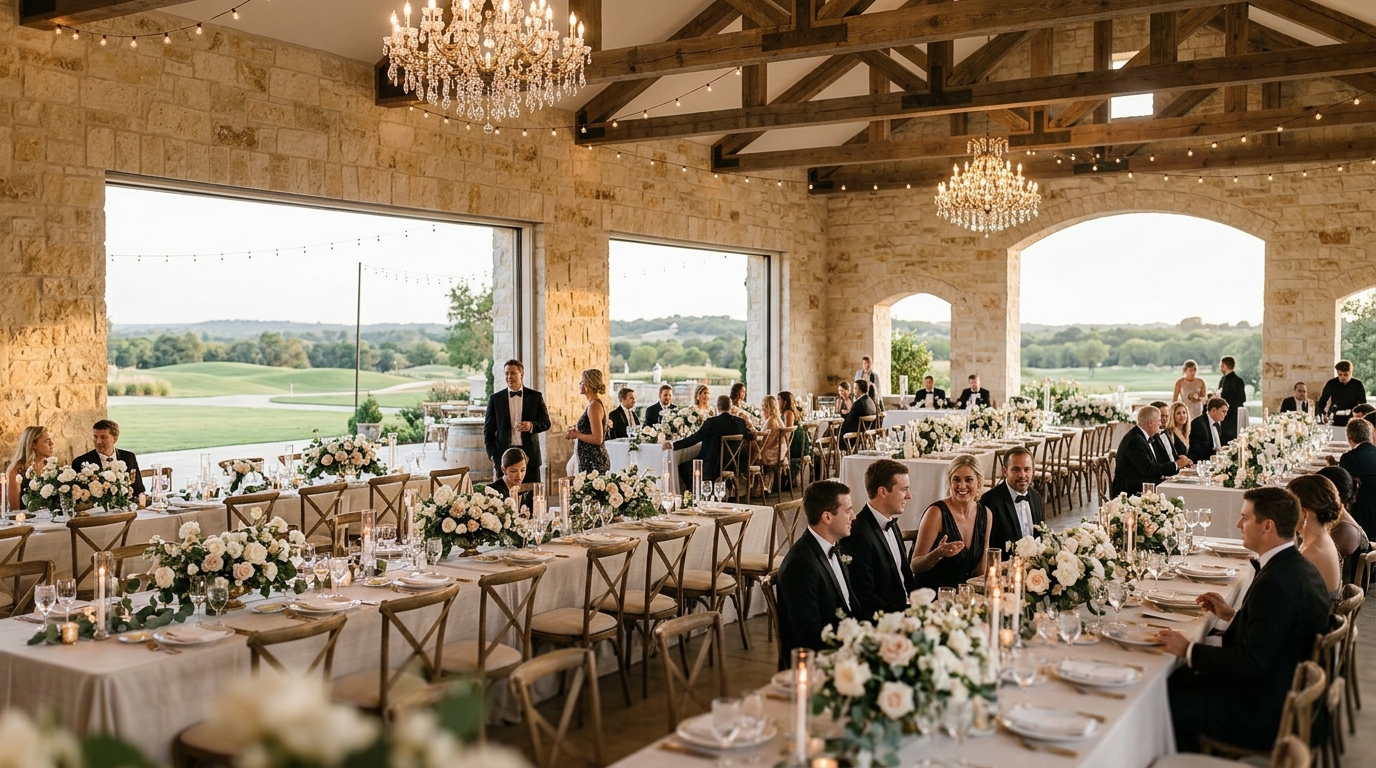
Planning a wedding in the Dallas-Fort Worth metroplex involves navigating a competitive market of high-end estates and ballrooms. According to recent industry data, the average wedding in Texas now hosts approximately 150 guests, a significant increase from the 100-guest average seen in the early 2010s. This shift means that capacity is no longer just a number; it is the primary architectural constraint of your event. Choosing the right luxury venue requires balancing aesthetic desires with the logistical realities of your headcount. This guide explores how to align your guest list with venue specifications, ensuring a seamless celebration.
Understanding Capacity: Ceremony vs. Reception
When evaluating luxury venues, the first metric to scrutinize is the difference between ceremony and reception capacity. Many estates offer expansive lawns for ceremonies but have smaller indoor ballrooms for receptions. Ceremony capacity is defined as the maximum number of attendees that can safely and comfortably view the vows, often limited by aisle width and seating rows. Reception capacity is determined by the square footage required for dining tables, dance floors, and vendor stations.
In the Dallas area, climate control is a critical factor. Venues with large, climate-controlled indoor spaces, such as the 17,000 square foot hall at Knotting Hill Place, allow for consistent comfort regardless of Texas humidity. If your guest count exceeds 200, you must ensure the indoor space can accommodate everyone without feeling cramped. A venue that forces you to split your reception between two rooms can disrupt the flow of the evening and increase catering costs.
According to the National Association of Catering and Events, proper spacing for a seated dinner requires approximately 12 to 15 square feet per guest. This calculation includes the table, chairs, and necessary aisle clearance. When you have a large guest list, this square footage requirement becomes the limiting factor for your venue selection. Always ask for the "theater-style" capacity (standing only) versus the "banquet-style" capacity (seated dinner) to understand the true limits of the space.
How Floor Plans Impact Guest Comfort
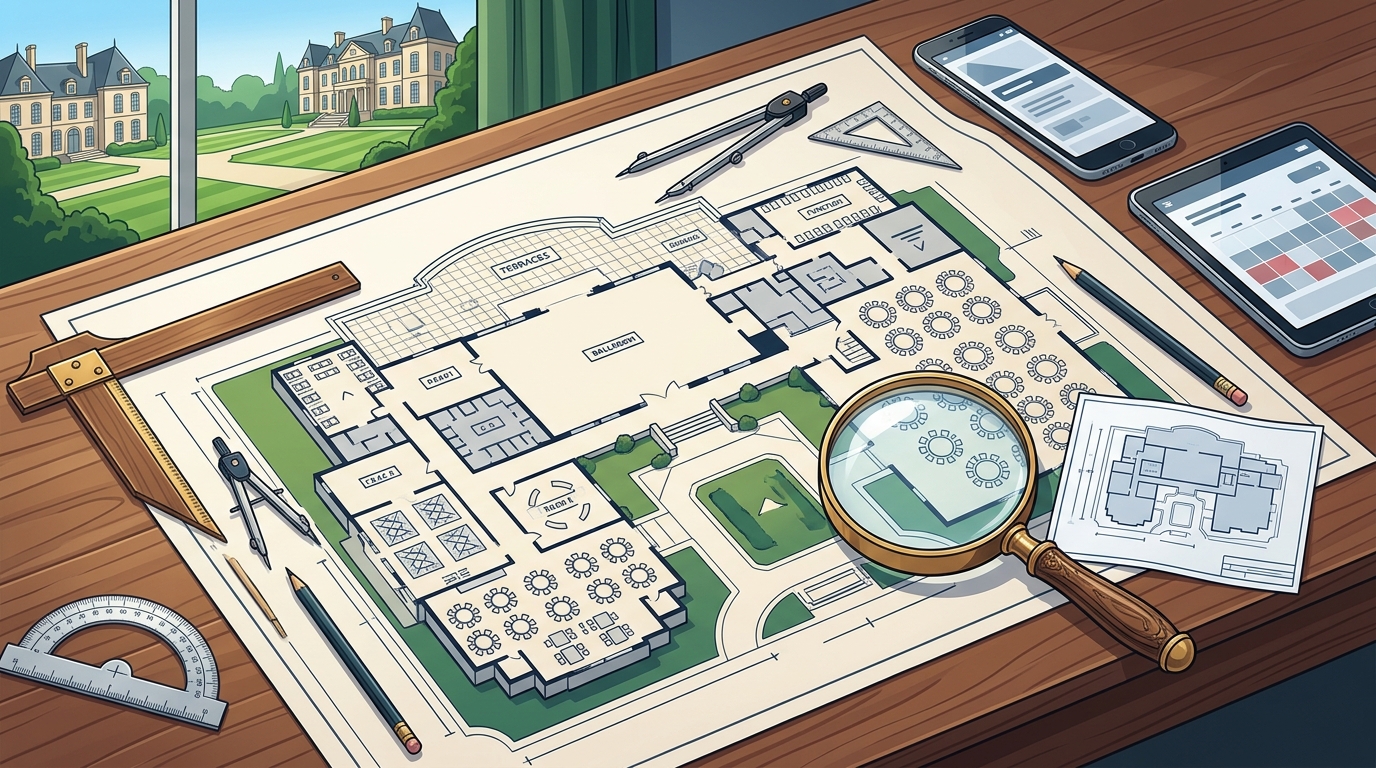
A luxury venue is not just about square footage; it is about the efficiency of the floor plan. A well-designed layout ensures that your guests can move freely between the ceremony, cocktail hour, and reception areas. Poorly designed spaces can create bottlenecks, particularly during the transition from cocktail hour to dinner.
For guest counts between 100 and 300, a single, open-concept ballroom is often ideal. This configuration allows for a unified dance floor and easy access to the bar. If your venue has multiple rooms, ensure they are connected by wide doorways or have a seamless flow. Experience the space virtually or in person to visualize how your specific guest count will fill the room. A venue that looks spacious with 100 guests may feel crowded with 250.
Consider the placement of the head table and the DJ or band. These elements require significant power and space. If your guest count is on the higher end, you may need a larger stage or a more powerful sound system. Ensure the venue has the infrastructure to support these needs without compromising the aesthetic. A cluttered dance floor is a common complaint at weddings with poor layout planning.
Indoor vs. Outdoor Space Dynamics
The Dallas-Fort Worth climate offers beautiful weather for much of the year, but it is unpredictable. A luxury venue should offer a compelling indoor option that is just as elegant as its outdoor spaces. The Venue Specifications of a property should clearly outline the square footage of both indoor and outdoor areas.
Outdoor lawns are excellent for ceremonies and cocktail hours, providing a natural backdrop for photos. However, for receptions, indoor spaces offer protection from sudden thunderstorms or extreme heat. A venue with a 10,000 square foot synthetic grass event lawn, like the one at Knotting Hill Place, provides a versatile space that can be used for both ceremonies and larger receptions if needed. This flexibility is crucial for large guest counts.
When choosing between indoor and outdoor options, consider the season of your wedding. Spring and fall are peak seasons in Texas, and venues fill up quickly. Summer weddings require robust air conditioning, while winter weddings may need heating solutions for outdoor transitions. A climate-controlled indoor space eliminates these variables, allowing you to focus on the guest experience rather than the weather.
The Role of On-Site Lodging
For large weddings, logistics become complex. Guests traveling from out of town need convenient accommodation options. A luxury venue that offers on-site lodging or has a partnership with nearby hotels can significantly enhance the guest experience. Accommodations such as the Knots Landing estate provide a unique opportunity for the wedding party and close family to stay together.
Knots Landing is a 6-bedroom, 5.5-bath home located just 300 feet from the main venue. It features a swimming pool, hot tub, and theater room. This proximity reduces the need for complex shuttle logistics for the wedding party. For guests who prefer hotels, the venue can provide a list of recommended local options. According to wedding planning surveys, 60% of guests prefer venues that offer on-site or nearby lodging for multi-day celebrations.
When evaluating lodging, consider the total number of beds available. For a guest count of 200, you may have 50-100 out-of-town guests. Ensuring there are enough rooms for the wedding party and immediate family can alleviate stress on the day of the event. It also adds a layer of exclusivity and luxury to the wedding weekend.
Vendor and Staffing Requirements
A large guest count requires a robust team of vendors. Catering, bartending, and security must be scaled to match the number of attendees. A venue with an in-house catering kitchen, such as the one at Knotting Hill Place, can streamline this process. In-house kitchens are designed to handle high-volume food production, ensuring that meals are served promptly and at the correct temperature.
Security is another critical component for large weddings. Venues that include valet parking and security in their packages reduce the burden on the couple. For a guest count of 300, you may need multiple valet stations to manage traffic flow. A venue with a dedicated security team can handle crowd control and ensure the safety of your guests.
When reviewing vendor requirements, ask about their preferred vendor list. Some venues have exclusive partnerships with local caterers and florists. While this can simplify planning, it may limit your options. Ensure that the venue's preferred vendors have experience with large-scale events. A vendor who has only worked with intimate weddings may struggle with the logistics of a 300-guest celebration.
Venue Types Compared by Guest Count
Not all luxury venues are created equal. The type of venue you choose should align with your guest count and aesthetic preferences. The table below compares common venue types in the Dallas area.
| Venue Type | Typical Capacity | Best For | Pros | Cons |
|---|---|---|---|---|
| Estate with Indoor/Outdoor | 100-400 | Large, diverse guest lists | Climate control, flexible spaces | Higher cost, limited availability |
| Historic Ballroom | 200-500 | Formal, traditional weddings | Grand architecture, high ceilings | Less natural light, rigid layouts |
| Garden Venue | 50-150 | Intimate, romantic celebrations | Beautiful scenery, relaxed vibe | Weather dependent, smaller capacity |
| Hotel Ballroom | 100-1000 | Very large, corporate-style events | On-site lodging, extensive amenities | Less unique, higher food/bev minimums |
For a guest count between 100 and 300, an estate with both indoor and outdoor spaces often provides the best balance. It offers the elegance of a ballroom with the charm of a garden. This hybrid approach allows for a ceremony on the lawn and a reception in the climate-controlled hall. It also provides backup options in case of inclement weather.
Key Takeaways
- Capacity Matters: Ensure the venue can comfortably seat your entire guest list in banquet style, not just theater style.
- Climate Control: In Texas, a climate-controlled indoor space is essential for guest comfort and reliability.
- Lodging Options: On-site lodging, like Knots Landing, simplifies logistics for the wedding party and close family.
- Vendor Infrastructure: Look for venues with in-house catering kitchens to handle large guest counts efficiently.
- Security and Parking: Included valet and security services are crucial for managing traffic at large events.
- Flexibility: A venue with both indoor and outdoor spaces offers the best protection against weather disruptions.
- Location: Proximity to DFW Airport and downtown Dallas makes the venue accessible for out-of-town guests.
Frequently Asked Questions
What is the maximum guest count for Knotting Hill Place?
Knotting Hill Place can accommodate between 300 and 400 guests for receptions, with 17,000 square feet of climate-controlled indoor space and 10,000 square feet of outdoor lawn.
Does Knotting Hill Place offer on-site accommodations?
Yes, the venue offers Knots Landing, a 6-bedroom estate located 300 feet from the main venue, available for rent to the wedding party and family.
How far is Knotting Hill Place from DFW Airport?
The venue is located in Little Elm, approximately 30 minutes from DFW Airport, making it convenient for out-of-town guests.
What is included in the venue rental fee?
The rental typically includes the use of the indoor and outdoor spaces, valet parking, security, and access to the catering kitchen. Specific inclusions may vary, so it is best to check the Venue Specifications.
Can I bring my own vendors to Knotting Hill Place?
Yes, the venue has a list of Dallas Wedding Vendors but generally allows couples to bring their own preferred vendors, provided they meet insurance and liability requirements.
What is the difference between ceremony and reception capacity?
Ceremony capacity refers to the number of guests who can view the vows, often using more space per person. Reception capacity is determined by the space needed for dining tables and a dance floor.
Is there a backup plan for bad weather?
Yes, the 17,000 square foot climate-controlled indoor space serves as a perfect backup for any outdoor ceremonies or cocktail hours.
Check Availability at Knotting Hill Place
Choosing the right venue is the most critical step in your wedding planning journey. For guest counts between 100 and 300, Knotting Hill Place offers the perfect blend of luxury, capacity, and convenience. With its climate-controlled indoor space, expansive outdoor lawn, and on-site lodging, it is designed to handle the complexities of large celebrations with ease.
Do not wait until the last minute to secure your date. Dallas wedding venues fill up quickly, especially for peak seasons. Contact us today to schedule a private tour and discuss your specific guest count and needs. Let us help you create an unforgettable celebration in the heart of Texas.